 by
by Aviation in India has grown significantly in recent years, becoming one of the fastest-growing aviation markets in the world. India has a vast network of airports and airlines that connect the country to the rest of the world.
Contents
Today, India is the world’s third largest aviation market after the USA and China.
The Indian aviation industry is dominated by two major airlines: IndiGo and SpiceJet, both of which operate a large fleet of aircraft and serve numerous domestic and international destinations. Other major airlines operating in India include AirAsia India, Air India, Air India Express, Go First, IndiGo, SpiceJet and Vistara.
The Indian government has undertaken a number of initiatives to support the growth of the aviation sector, including the development of new airports and the expansion of existing ones. In addition, the government has liberalized the aviation sector, allowing for increased foreign investment and competition.
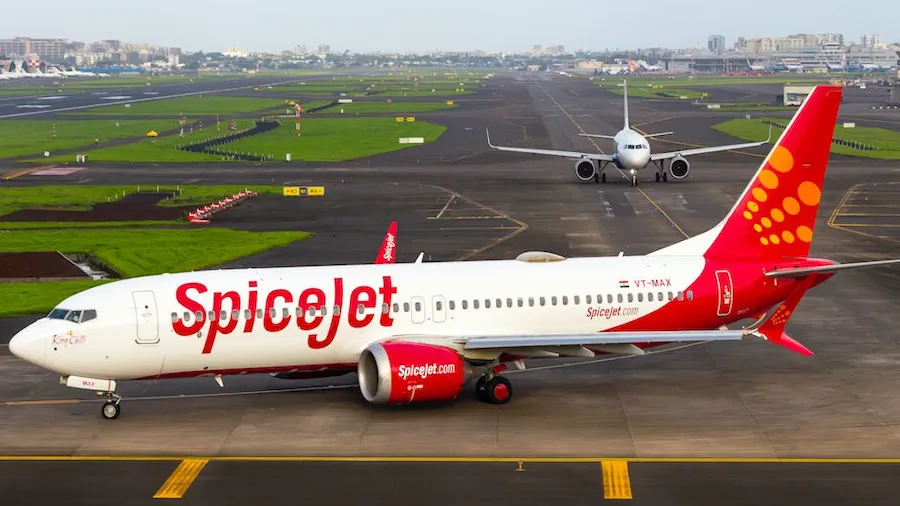
India has also emerged as a major hub for low-cost carriers, with IndiGo and SpiceJet leading the way in offering affordable air travel to millions of Indians. The country’s middle class has also grown significantly in recent years, leading to increased demand for air travel.
Indian Aviation History
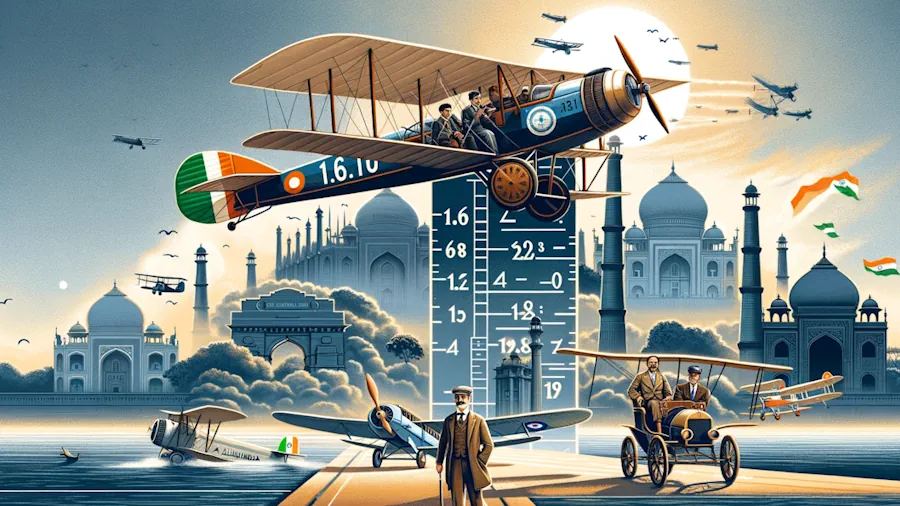
Aviation in India has a long history spanning over 99 years. In 1912, during British rule, the first Indian flight was inaugurated from Delhi to Karachi.
Aviation in India has a rich history dating back to the early 1900s. Tata Airlines (now known as Air India) operated the first commercial flight in India in 1932 between Karachi and Mumbai. Since then, the Indian aviation industry has come a long way, with the sector growing significantly over the past few decades.
In the years following India’s independence in 1947, the government took control of the aviation industry and established Air India as the national carrier. Several other airlines were established in the 1950s and 1960s, including Indian Airlines, which operated domestic flights.
The 1990s saw a significant shift in the Indian aviation industry, with the government allowing private airlines to operate in the country. This led to the establishment of several private airlines, including Jet Airways, which became one of India’s leading airlines before ceasing operations in 2019.
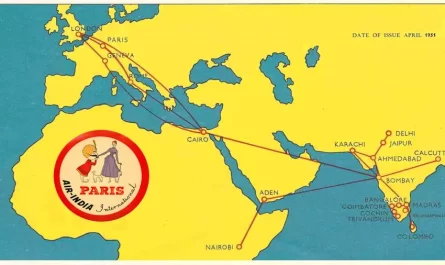
During that time, all flights were operated by Indian State Air Services in collaboration with Imperial Airways of the United Kingdom. Then immediately after the independence, two main lines were established in India.
The two Indian airlines established were :
- Airline Corporation
- Air India and both were state-owned entities.
The above two state-owned aviation entities (i.e., Indian Airlines and Air India) had total control over the airline industry in India for nearly four decades. During this period benefit of air travel was confined to a few privileged (either politically or economically) people who could afford it. Compared to thousands of flights operated today, at that time, the number of flights was abysmally few. This shows over the 99-year period, aviation in India has developed into a massive industry benefitting the rich and the middle-class community. After India’s rapid economic development, the aviation industry changed rapidly, so many privately owned airline operators entered the sector. For example, several low-cost airline and service operators commenced operating domestically and internationally. The number of airline operators tends to increase further due to rapid transformation and development of airport infrastructure, such as:
Tata Airlines
Ah, Tata Airlines! A name that resonates with a rich history in the aviation industry, especially within India. Let’s take a journey back in time to explore the origins and evolution of Tata Airlines, a pioneering force in the skies.
The Early Days: A Vision Takes Flight
The Inception (1932): Tata Airlines was born from the vision of J.R.D. Tata, a name synonymous with Indian industry and innovation. In 1932, this airline began its journey, not as a commercial carrier, but as a mail service. Tata himself piloted the first flight from Karachi to Bombay (now Mumbai), carrying mail, thus laying the foundation for air transport in India.
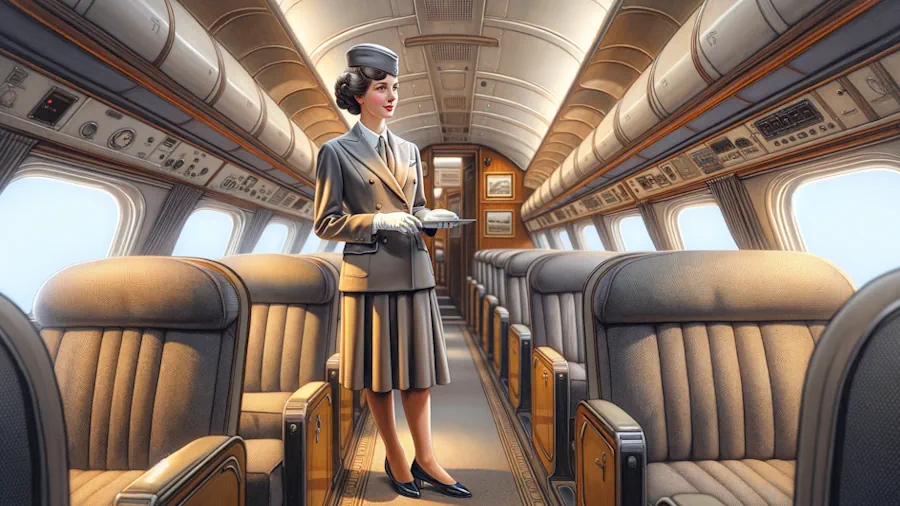
Expansion and Growth: From these humble beginnings, Tata Airlines rapidly expanded. By the mid-1930s, the airline had begun carrying passengers, marking its transition from a mail service to a bona fide passenger airline. This period saw Tata Airlines extending its reach, connecting various cities across India.
The War Years and Beyond
Impact of World War II: Like many industries, Tata Airlines was significantly impacted by World War II. The airline’s operations were curtailed, and its resources were diverted for war efforts. However, this period also highlighted the strategic importance of air transport, setting the stage for post-war expansion.
Nationalization and Rebirth
Birth of Air India (1946): After the war, J.R.D. Tata reimagined the airline. In 1946, Tata Airlines transformed into Air India, marking a new chapter. This transition wasn’t just in name; it represented a shift towards becoming an international carrier.
Nationalization (1953): The Indian government nationalized Air India in 1953, integrating it into the public sector. Despite this change, J.R.D. Tata remained closely involved, ensuring that the airline maintained its high standards and operational efficiency.
The Legacy Lives On
The Modern Era: Over the decades, Air India has faced various challenges and undergone numerous transformations. Yet, the legacy of Tata Airlines lives on in its commitment to connecting India with the world.
Full Circle with the Tata Group: In recent times, there’s been significant interest in the Tata Group’s potential re-acquisition of Air India, bringing the airline back to its original founders. This move symbolizes not just a business transaction but a reconnection with its roots.
A Legacy of Pioneering Spirit
Tata Airlines, from its inception, was more than just an airline. It was a testament to the pioneering spirit of J.R.D. Tata and his vision of connecting India with the world through the skies. The airline’s evolution into Air India and its ongoing journey reflect a saga of resilience, innovation, and a relentless pursuit of excellence in aviation.
This story is not just about an airline; it’s about the spirit of aviation in India, the vision of a leader, and the unrelenting pursuit of connecting people and places. As we look towards the future, the legacy of Tata Airlines continues to soar high in the skies of history and innovation. 🛫🌏
The First Airport in India
Which was the first airport in India before independence?
The story of the first airport in India is an intriguing part of the country’s rich aviation history. The honor of being the first airport in India goes to Juhu Aerodrome, located in Mumbai (then Bombay).
Juhu Aerodrome: A Glimpse into History
The Early Days (1928): Juhu Aerodrome was established in 1928, making it the oldest airport in India. Its inception was a significant milestone in Indian aviation, marking the beginning of structured air transport within the country.
A Hub for Initial Flights: This aerodrome served as the primary base for India’s first scheduled airline services, which were started by Tata Sons Ltd. J.R.D. Tata, the father of Indian civil aviation, flew the first flight from Karachi to Bombay, landing at Juhu Aerodrome. This event marked the commencement of India’s aviation history.
Characteristics and Challenges: Juhu’s location near the Arabian Sea meant that the aerodrome faced issues like flooding during the monsoon season. Despite these challenges, it played a crucial role in the development of air transport in India, especially in the early days.
Role in World War II
Strategic Importance during War: During World War II, Juhu Aerodrome was used by the British Royal Air Force (RAF). It served as a transit airfield for military aircraft, underlining its strategic importance.
Post-War Developments and Legacy
Shift in Focus: After the war, with the development of the nearby Santa Cruz Airport (now Chhatrapati Shivaji Maharaj International Airport), Juhu’s prominence as a commercial airport diminished. Santa Cruz Airport took over as the primary airport for Bombay.
Juhu Today: Juhu Aerodrome is currently used for general aviation and is home to several private flying clubs and schools. Its historical significance, however, remains undiminished, as it stands as a testament to the beginnings of Indian aviation.
A Symbol of Pioneering Spirit: The story of Juhu Aerodrome is not just about an airfield; it’s about the pioneering spirit of early aviation in India, the visionaries who saw the potential of air travel, and the role it played in laying the groundwork for India’s modern aviation sector.
A Landmark in Aviation History
Juhu Aerodrome’s legacy as the first airport in India is a landmark in the nation’s aviation history. It represents the dawn of a new era in transportation and connectivity for India, laying the foundation for what has become one of the fastest-growing aviation markets in the world. The spirit of Juhu lives on, reminding us of the humble beginnings from which modern aviation in India took flight. 🛫🇮🇳
When did first flight start in India?
The first flight in India is a milestone event in the country’s aviation history. This inaugural flight took place on February 18, 1911, and it was a demonstration flight rather than a commercial service.
The First Flight: A Historic Overview
The Flight (February 18, 1911): The first flight in India was piloted by a French aviator, Henri Pequet. It wasn’t a passenger flight but a mail flight, carrying 6,500 letters a distance of about 13 kilometers.
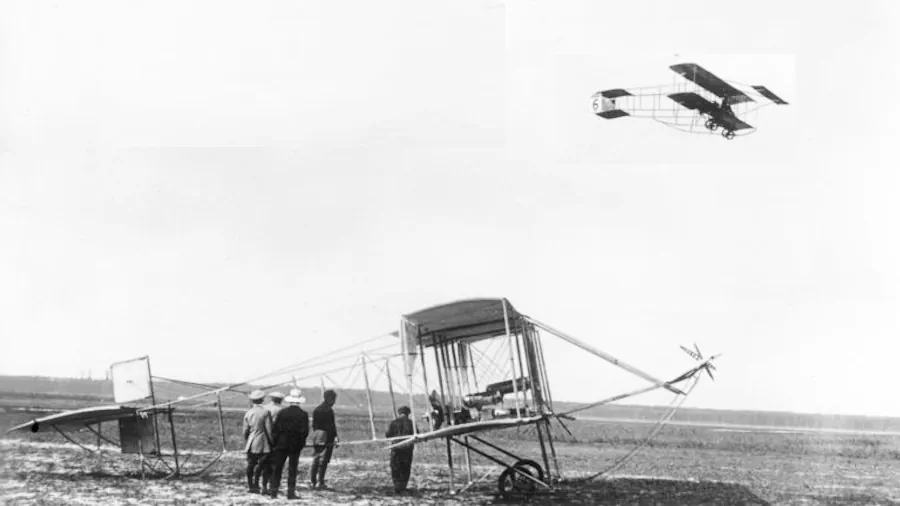
Route and Significance: The flight took off from Allahabad and landed in Naini, covering a distance of approximately 8 miles (around 13 kilometers). This event marked the first-ever airmail service in India and is considered one of the world’s earliest airmail services.
Aircraft and the Occasion: Pequet flew a Humber biplane, an aircraft that was typical of the era. This flight was part of an exhibition during the United Provinces Exhibition in Allahabad, which provided a perfect opportunity to showcase the marvels of aviation technology to the Indian public.
Context and Legacy
Early Aviation in India: This event occurred during a time when aviation was still in its nascent stages globally. The Wright brothers’ first powered flight had taken place just over seven years earlier, in 1903.
Impact on Indian Aviation: Although this was a one-off event and not the beginning of regular air services in India, it was significant in demonstrating the potential of aviation in the country. It paved the way for further interest and investment in aviation in India.
Journey to Commercial Aviation: Regular commercial aviation in India began much later, with Tata Airlines’ inaugural flight in 1932, piloted by J.R.D. Tata. This flight, from Karachi to Bombay (now Mumbai), marked the true beginning of scheduled air services in India.
A Momentous Occasion
The first flight in India, while a brief event, was a momentous occasion in the country’s aviation history. It opened the doors to the future of air travel in India, showcasing the possibilities that aviation held for the vast and diverse nation. This historic flight is celebrated not just for the journey it made, but for the journey it inspired in Indian aviation. 🛫🇮🇳
Construction of new airports, including refurbishment (or increased capacity) of existing airports in numerous Indian cities and associated infrastructure and facilities such as road networks, rail transportation, and hotel accommodation.
- Expansion of aviation services provided by the government-owned airline carriers.
- Modernization of airline services such as maintenance, repair and overhaul, and safety at airports through the latest instrumentation.
- Exploring new international airline routes by the state aviation sector
- Rapid increase in business travel and global mobility. In essence, increase in demand for domestic and international travel owing to rapid economic growth.
- Besides the above, recent statics indicate that there has been an amazing increase in air traffic since the year 2010.
Considering the above, it is certain that the Indian aviation industry will certainly outperform other Asian countries in terms of air travel. Consequently, more and more international airlines will compete to get a slot in the Indian aviation sector. This shows that the Indian aviation industry is further poised to develop to the next level depicting it as one of the rapidly growing aviation industry internationality and the in region.
It’s well known that catalyzing the industry’s rapid growth was due to private investment-friendly government policies that encouraged international aviation investors to participate. As such, nearly 75% of the Indian aviation industry is dominated by foreign and domestic investors. Hence, in the near future, India will become an attractive aviation market in the Asian region for foreign and local investors.
In the coming years, the Indian aviation industry will further catalyst into a giant industry due to the following:
- Increase of purchasing power of air-traveler partly due to affordable airfares offered by numerous low-cost carriers such as Air India, GoAir, IndiGo, SpiceJet, AirAsia
etc. - Developments of the Indian tourist industry and overall economic progress have resulted in increasing inbound and outbound travel.
- The government commitment to boost the industry by modernizing the aviation industry as a whole, including developing more international airports to handle a rapid increase in air traffic
Revamp existing aviation policies (by the Indian government) to encourage local and international participation in the development of the aviation industry. Also, such policies further encourage public-private partnerships to develop massive airport infrastructure development projects.
By looking at the above trends in the Indian Aviation Industry, one could see its tremendous potential in the coming years in terms of the country’s rapid development and economic prosperity.
Today, the Indian aviation industry is a major contributor to the country’s economy, generating significant employment and revenue. With the government continuing to invest in the sector, the Indian aviation industry is expected to grow even further in the years ahead.
Despite the growth of the aviation industry in India, the sector faces a number of challenges, including high fuel prices, infrastructure constraints, and regulatory hurdles. However, with continued investment and support from the government, the Indian aviation industry is poised for continued growth in the years ahead.
Aviation in India : History1st airport in India
First Indian International Flight
Who is the first woman Indian pilot?
What airports in India are currently handling Airbus A380s
India International Airports
How many airports are there in India?
Airport Codes of Lakshadweep Islands
New Indian Airports and terminals
How Early to Arrive at Indian Airports?